Training Your Maltese Puppy: Tips for a Happy, Well-Behaved Companion
Maltese puppies are bundles of joy with their playful personalities and sweet demeanor. However, their small size and spirited energy can make training both rewarding and challenging. Starting early with consistent training ensures your Maltese grows into a well-behaved and confident adult dog. Here’s your ultimate guide to training your adorable Maltese puppy.
1. Setting the Foundation: Bonding and Socialization
Training begins with building trust and a strong bond. Spend quality time with your Maltese puppy through play, cuddles, and positive interactions.
Socialization:
- Introduce your puppy to various people, environments, and other animals from a young age.
- Expose them to everyday sounds like vacuum cleaners, doorbells, and traffic to help prevent fear or anxiety later in life.
Pro Tip:
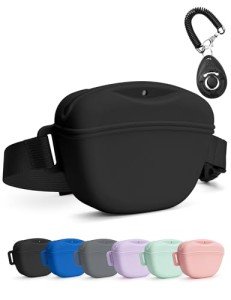
Carry treats during outings to reward your puppy for calm and friendly behavior in new situations.
2. House Training: Patience is Key
Consistency is crucial when teaching your Maltese puppy where to do their business. Their small size means they may need more frequent potty breaks compared to larger breeds.
Steps to Success:
- Take your puppy to their designated potty area first thing in the morning, after meals, and before bedtime.
- Use a phrase like “Go potty” to create a verbal cue.
- Reward them immediately with praise and treats when they go in the correct spot.
Pro Tip:
Accidents will happen! Avoid scolding your puppy; instead, clean up with an enzymatic cleaner to remove odors and prevent repeat incidents.
3. Teaching Basic Commands
Training commands like “sit,” “stay,” and “come” not only improves your puppy's behavior but also strengthens your bond.
Training Techniques:
- Positive Reinforcement: Reward your puppy with treats, praise, or toys for obeying commands.
- Short Sessions: Keep training sessions brief (5–10 minutes) to match their short attention span.
- Consistency: Use the same words and gestures for each command.
Essential Commands to Start With:
- Sit: Hold a treat above their nose and move it backward. As they lower into a sitting position, say “sit” and reward them.
- Come: Call their name in an excited tone, and when they come to you, reward them generously.
- Stay: Use a firm tone and gesture, rewarding them for holding still, even for a few seconds.
4. Handling Barking and Separation Anxiety
Maltese puppies are naturally vocal, and they may develop separation anxiety if not trained early.
Barking Management:
- Avoid reinforcing barking by giving attention when they bark unnecessarily.
- Teach the “quiet” command by rewarding silence after a bark.
Preventing Separation Anxiety:
- Leave your puppy alone for short periods and gradually increase the time.
- Provide comforting items like a crate, blanket, or a toy while you're away.
Pro Tip:
Interactive toys or puzzles can keep your Maltese engaged and reduce anxiety when left alone.
5. Crate Training: Creating a Safe Space
Crate training helps with house training and provides your puppy a safe, cozy retreat.
Steps for Crate Training:
- Introduce the crate gradually, making it comfortable with bedding and toys.
- Encourage your puppy to enter the crate using treats and praise.
- Start with short periods in the crate, extending the duration as they become more comfortable.
Pro Tip:
Never use the crate as punishment. It should always be a positive and secure space.
6. Training Challenges: Overcoming Small Dog Syndrome
Maltese puppies can sometimes develop “small dog syndrome,” where they exhibit dominant or bossy behaviors due to their size.
Tips to Prevent Bad Habits:
- Set boundaries early and don’t allow behaviors you wouldn’t tolerate from a larger dog (like jumping on people or excessive barking).
- Reinforce calm, obedient behavior with praise and rewards.
7. Exercise and Mental Stimulation
A well-exercised puppy is easier to train and less likely to develop behavioral issues.
Daily Activities:
- Take your Maltese for short walks or play indoors with toys suitable for their size.
- Incorporate games like “fetch” or “hide and seek” for mental stimulation.
8. Enrolling in Puppy Training Classes
Puppy training classes provide a structured environment to teach your Maltese basic manners while also socializing them with other dogs. Look for classes that focus on positive reinforcement techniques.
9. Patience and Consistency: Keys to Success
Maltese puppies are intelligent but can also be stubborn at times. Training requires patience, consistency, and plenty of love. Celebrate small victories, and remember that every puppy learns at their own pace.
Conclusion
Training a Maltese puppy is a journey filled with joy, challenges, and triumphs. By starting early and using positive reinforcement, you’ll raise a happy, well-behaved companion who’s a delight to be around. Whether it’s mastering basic commands or curbing excessive barking, your efforts will pay off in the form of a loyal and loving furry friend.